
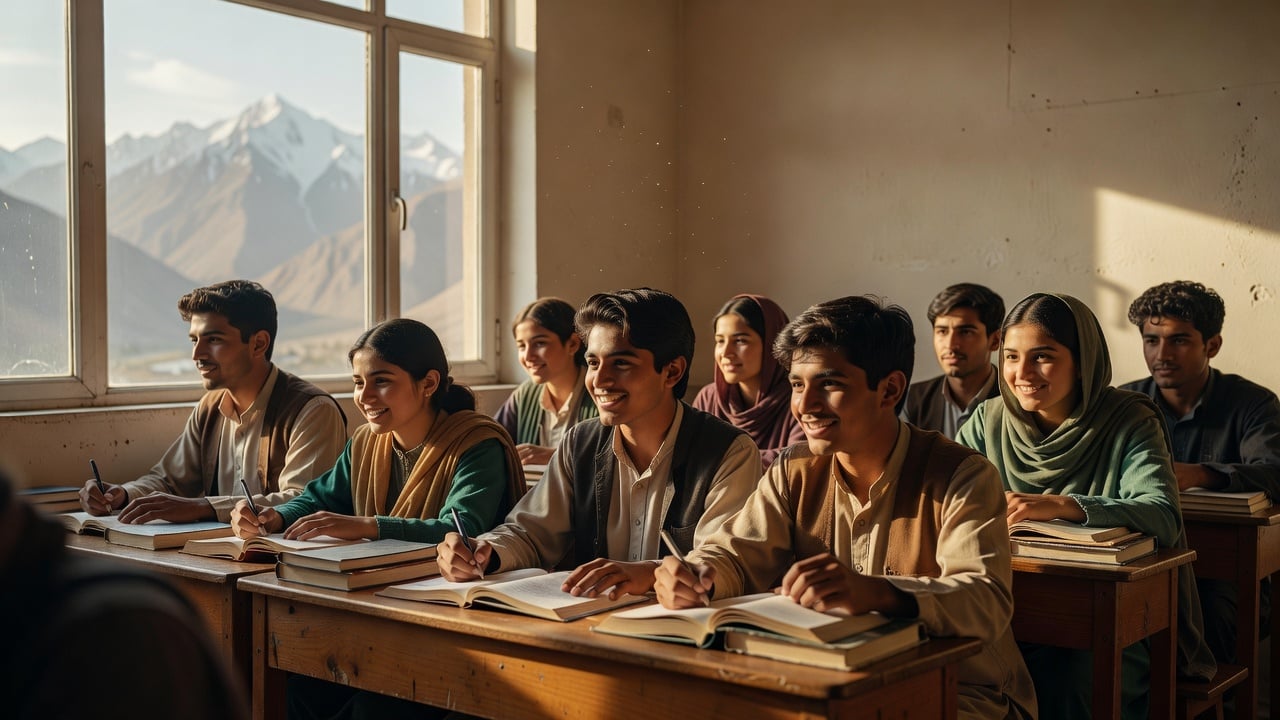
Two decades of progress in Afghanistan highlight real gains in education, health, and civil society. These achievements offer valuable lessons and inspiration for building stronger, more inclusive futures despite past setbacks.
Afghanistan witnessed meaningful advancements during the republic era. A new generation embraced global connections through television and vibrant media. Per capita incomes rose while health indicators improved and girls gained expanded access to education, especially in cities. Civil society flourished with the freest press in the region, fostering open dialogue and community engagement.
Institutional challenges emerged from overly centralized power and aid-related issues. Yet these experiences provide constructive insights into designing better governance systems. By addressing corruption and building self-reliant institutions, future efforts can strengthen democratic foundations and reduce external dependencies.
Looking ahead, the Afghan people's clear rejection of extremism and commitment to progress remain powerful assets. International partners can support sustainable development by honoring commitments and promoting inclusive policies. This resilience points toward a hopeful path of renewal and shared global lessons.
 98.309 SRY